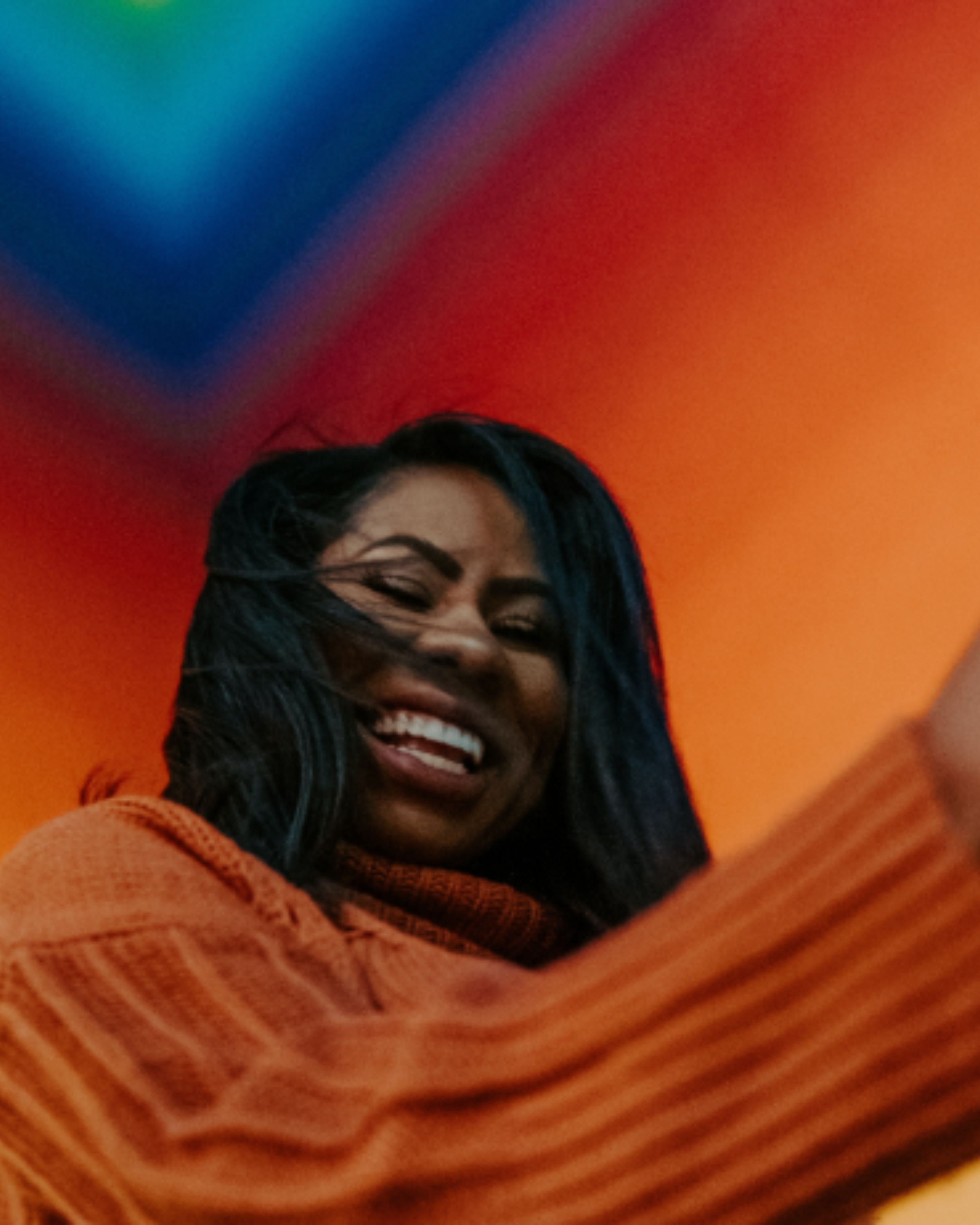
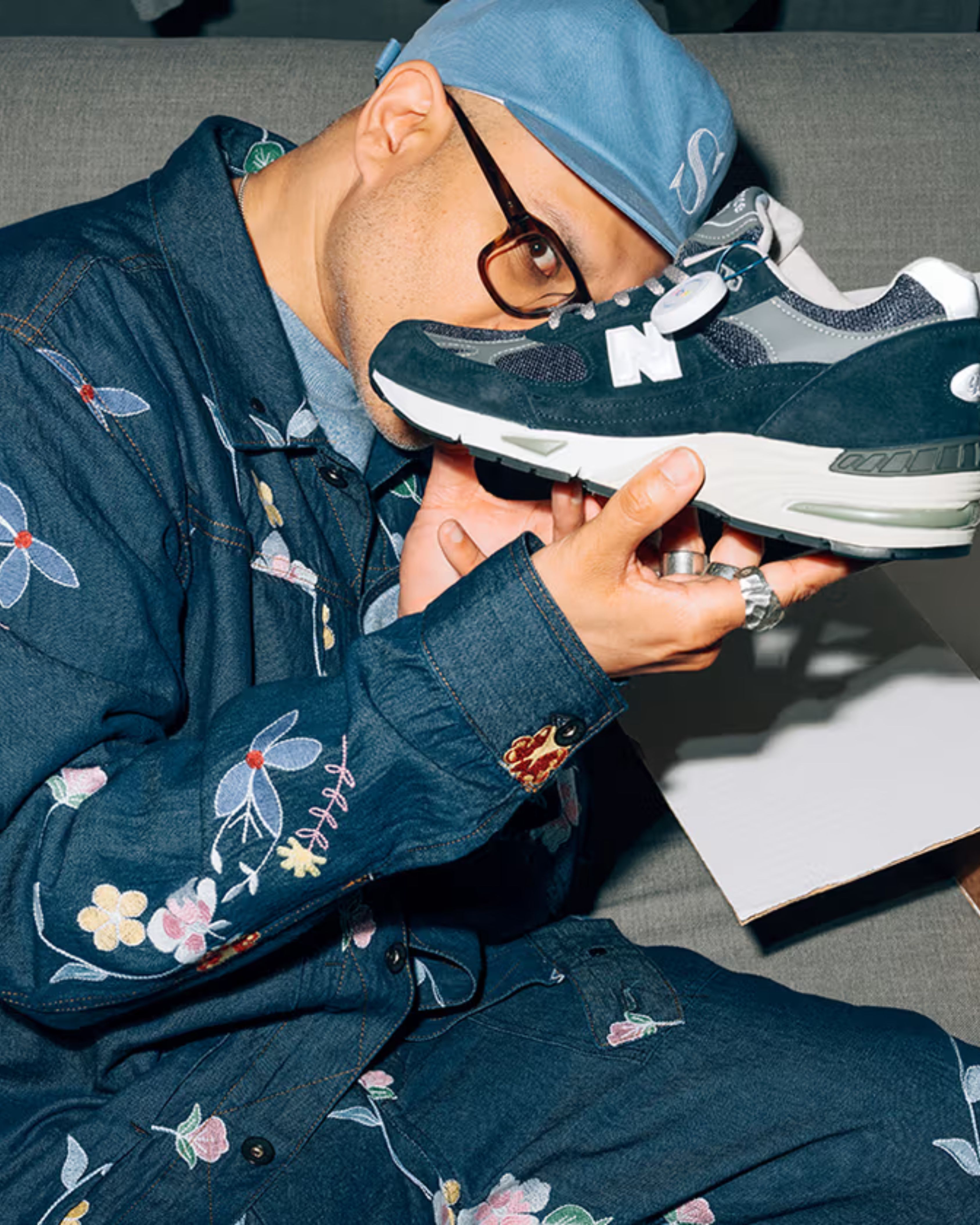
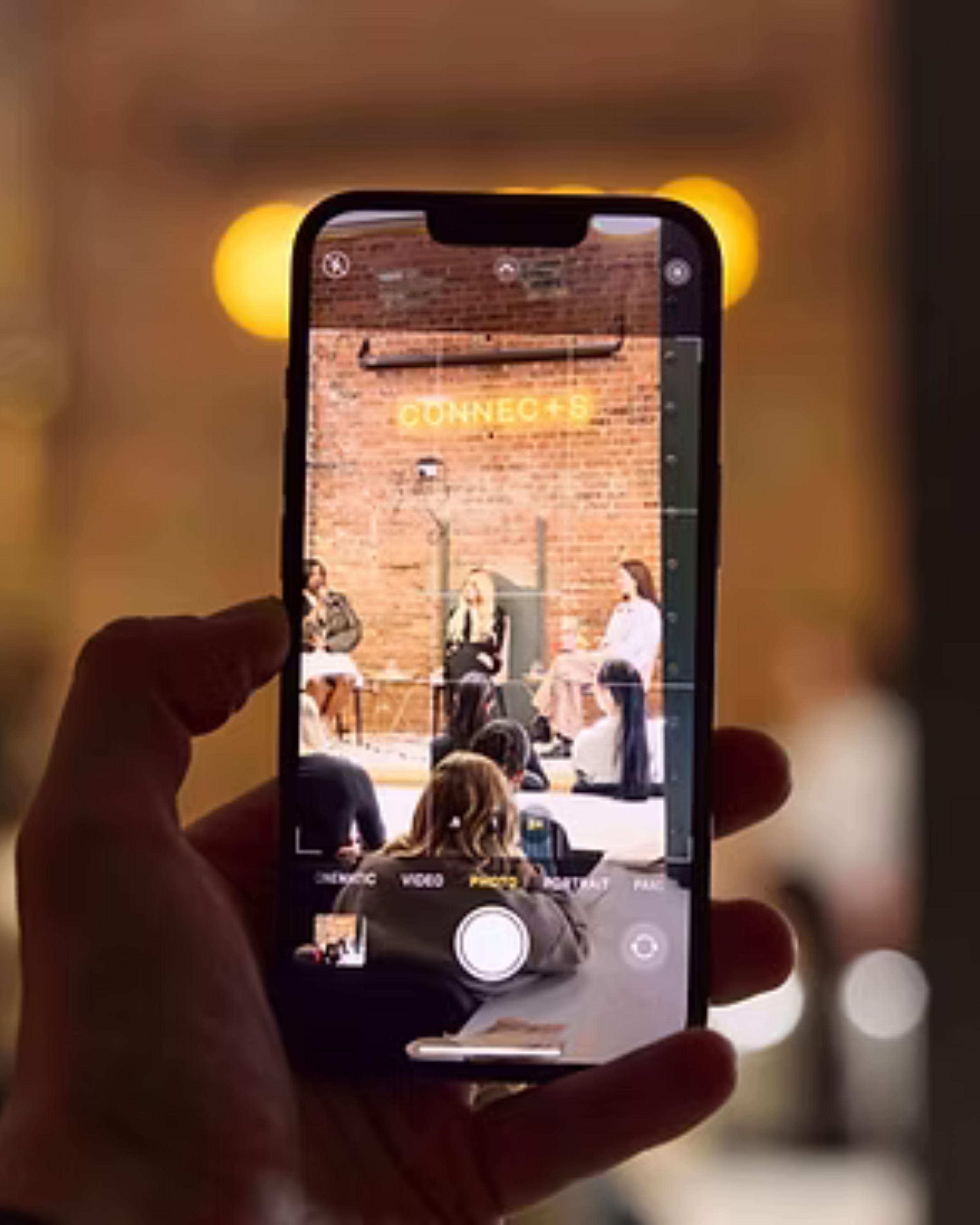
What does inclusive influencer marketing really look like? It looks like brands representing the diversity that is actually present in the world around us. Brands need to authentically reflect different ages, ethnicities, body types, family structures, abilities, and background - creating campaigns that feel real, not staged.
A recent study conducted by Unilever has shown that inclusive campaigns for Dove, LUX and Rexona have helped drive brand superiority and that inclusive ad campaigns have been found to deliver a 62% likelihood of being a consumer’s first choice.
So, in an era where audiences crave connection, trust, and authenticity, inclusive influencer strategies are essential for building that trust, fueling future expansion, and maintaining brand integrity.
True inclusivity should be embedded at every stage, from casting to execution. When brands work with an array of voices regardless of age, gender, sexual orientation, ethnicity, religion, disability, or medical history, they can unlock deeper engagement. Because these creators already have trust within their communities, their recommendations feel genuinely credible and real rather than performative.
“Inclusive influencer marketing starts with thoughtfulness in selection. It's about curating a roster of voices that reflect the breadth of the audience, from cultural backgrounds to disabilities and lived experiences.”
- Niamh Green, Account Director
How Brands and Agencies Can Get Inclusivity Right:
1. Redefine Your Idea of Influence
So many brands still define success with follower count & vanity metrics. Inclusive influencer marketing starts by recognising that impact lives in relationships, credibility and emotional connections, not just algorithms. Brands like Dove, set the benchmark for inclusive influencer marketing because their commitment goes beyond individual campaigns. Through initiatives like the Dove Real Beauty campaign as well as the Dove Self Esteem project Dove has consistently championed all kinds of beauty representations. These long term programmes go beyond advertising by investing in education, community partnerships and creator voices that challenge narrow beauty standards and promote confidence across different ages, body types and backgrounds
This creates genuine messages that feel credible, not performative. Brands need to focus on engagement, not just numbers and to prioritise creators whose audiences listen and respond, as well as those who value lived experience and have credibility within a community.
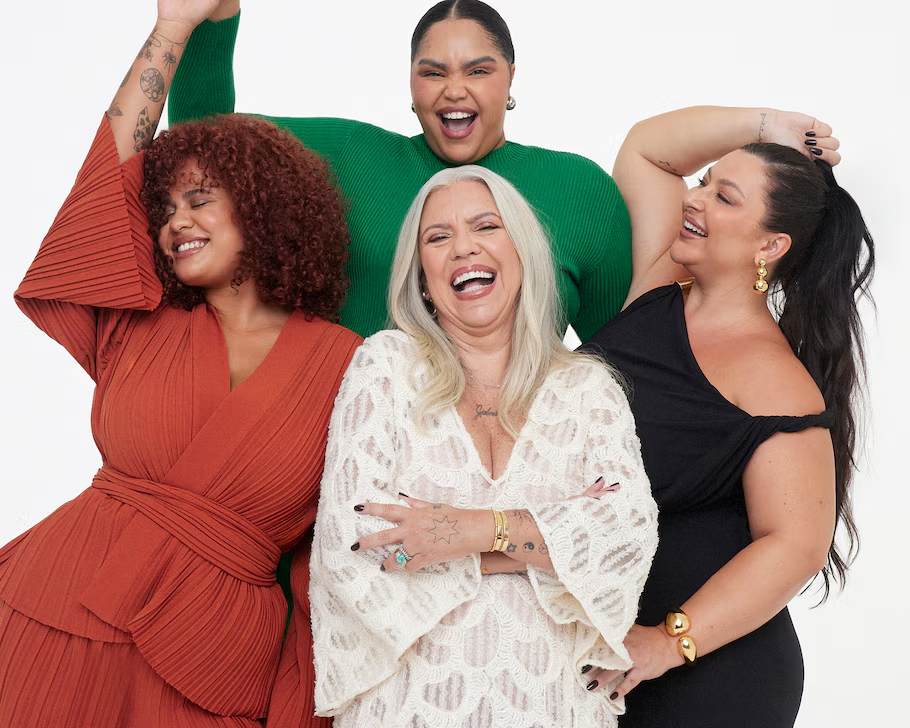
2. Recognise the Power of Smaller, Engaged Communities.
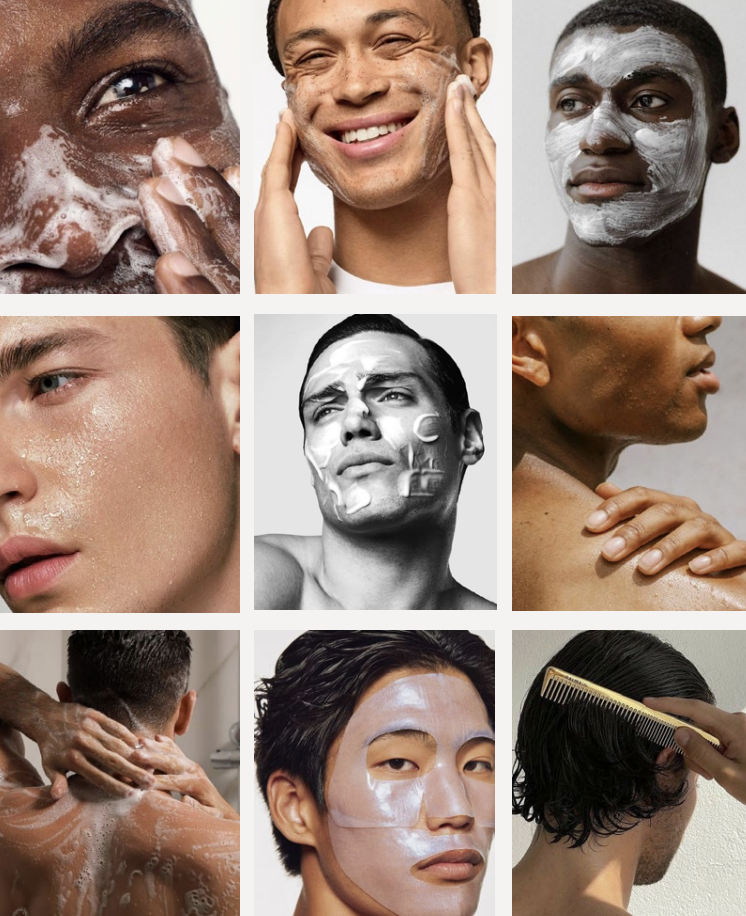
Sephora is often cited as a leader in inclusive beauty and frequently works alongside creators within niche beauty spaces, textured hair, mature skin, acne, men’s grooming - you name it. Programs like Sephora Squad intentionally elevate micro and macro influencers whose lived experience resonates with specific audiences. The program also provides long term partnership, mentorship and visibility which reinforces the brand's commitment to supporting diverse voices beyond one off campaigns.
It’s in these smaller spaces that authenticism shines through. This idea of including micro and nano creators often delivers deeper engagement as they operate within tight-knit communities built on trust.
3. Give Creators Genuine Creative Freedom
Programs run by Tinder, such as the ‘Tinder Collective’ or ‘Double Date Island’, are great examples of how, when creative freedom is given to creators, they become not just promoters but storytellers. Influencers should be allowed to talk about identity and culture in these spaces. These approaches mean that diverse communities can see their experiences represented, making the brand feel more credible and dependable.
Crucially, inclusive marketing works best when influencers are treated as partners and given real creative freedom. Campaigns perform at their best when the process is not prescriptive and allows creators to authentically shine.
4. Commit to Inclusive Marketing Long-Term
It is not enough for brands to see inclusivity as a one-off campaign. Diversity is not a seasonal event or calendar date but rather an ongoing commitment to authenticity and representation. For example, brands shouldn't just work with creators during expected calendar moments. They should be consistently tapping into different cultures, styles and sharing everyday stories year round.
Community is at the centre of inclusive influencer marketing. It’s in communities that real influence occurs. By producing content that resonates with real people, brands are not just producing more creative content but also building genuine connections with their audiences.
The brands who are getting inclusivity right are finding creators who truly represent their audiences giving them the freedom to tell real stories and show up all the time, not just when it’s culturally convenient.
Audiences can tell when a brand truly sees them and shows up with trust and loyalty. Inclusive influencer marketing isn't just a campaign your brand runs once, it's how you build a brand that people can actually trust.


.jpg)
.jpg)