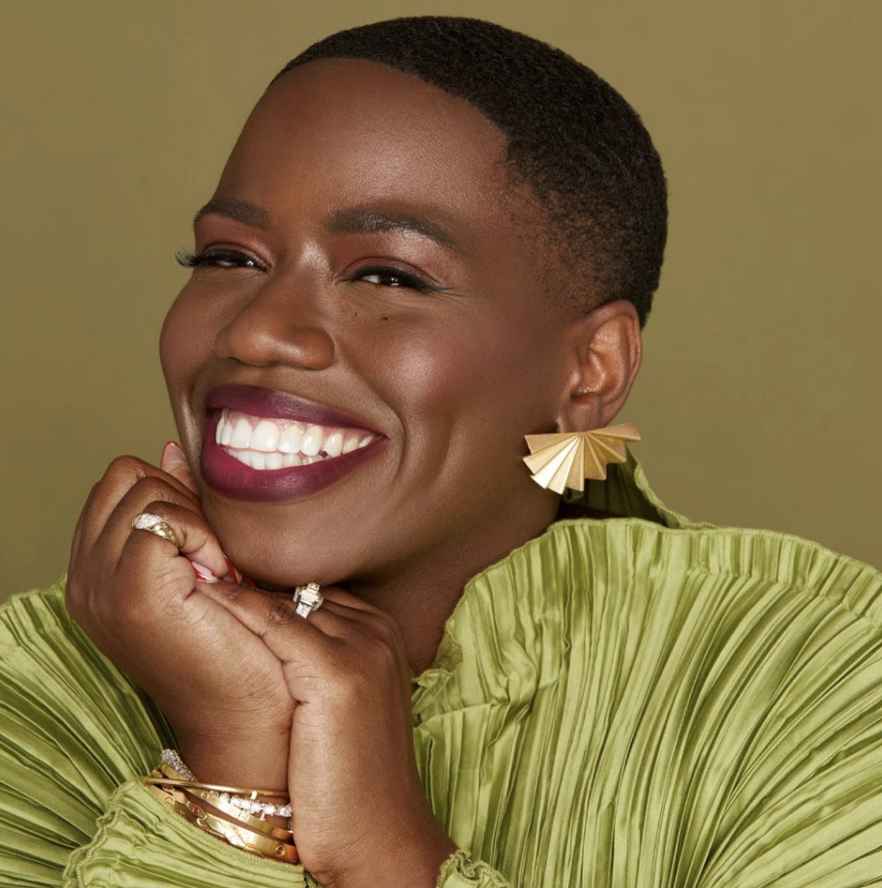
Motherhood reshapes identity, and for many women, beauty becomes one of the first places that reconstruction plays out publicly in. It's rarely about vanity. A five-minute routine, squeezed into the margins of a chaotic day can be a small but powerful act of reclaiming a self that existed before "mum" became the primary identity. This is showing up across social content in two distinct but connected registers: the relatable, and the declarative.
Relatable Routines, Real Life
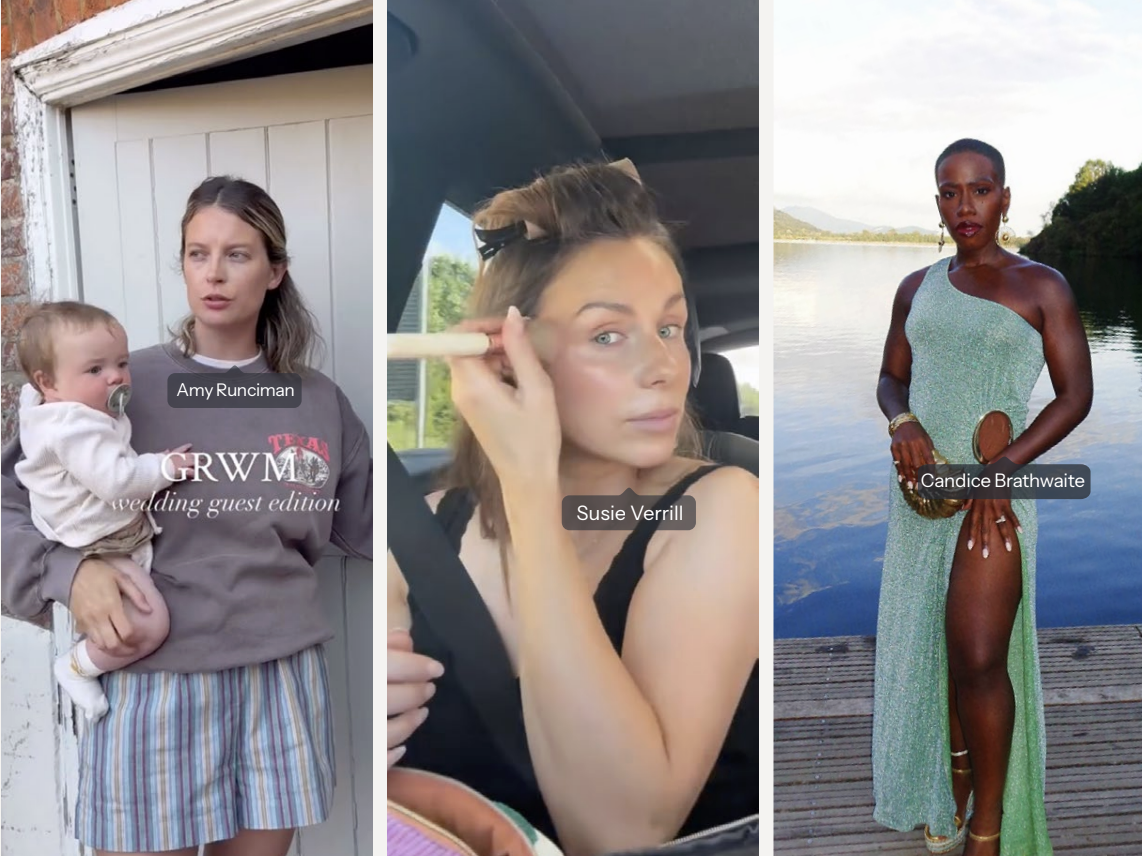
Amy Runciman got ready for a wedding while pumping breast milk. Susie Verrill did her makeup in the car using toilet roll as rollers. Neither moments polished, and that's precisely the point, the mess is the message. This kind of content strips away the performance of "having it together" and replaces it with something audiences recognise instantly: a beauty routine happening around real life, not instead of it.
For brands, this is a shift in what "aspirational" means. It's no longer the flawless, uninterrupted routine, it's the routine that survives interruption. A product that works in 90 seconds in a car park, or between feeds, earns more trust from this audience than one shot in perfect studio lighting.
Confidence as a Bigger Statement
Not all of this content is about squeezing a routine into the gaps. Candice Brathwaite has spoken on fragrance and how her confidence has grown with age, framing beauty as an ongoing act of self-reclamation rather than a fixed routine. This register is less about fitting beauty in and more about what beauty means now, a declaration that identity doesn't end where motherhood begins, and in some cases, gets stronger and more assured with it.
This matters for brands because it reframes the "confidence" narrative beauty marketing has leaned on for years. It's not just about feeling good in your skin at 25, it's about the specific, hard-won confidence that comes after a major identity shift like motherhood.
Two Registers, One Conversation
These two approaches, the relatable and the declarative, aren't in competition; they're two entry points into the same cultural conversation:
- The relatable register says: I see you, and this is normal. It builds trust through shared chaos, not polish.
- The declarative register says: You can still reclaim this, and it might even be better now. It builds aspiration through hard-won confidence.
For beauty brands, the opportunity is to show up authentically in both, supporting the unglamorous, real-life routine while also giving space to the bigger, more emotional story of identity beyond motherhood.
What This Means for Brands
- Product design and messaging: fast, forgiving, "fits into real life" products resonate more than routines that demand time mothers don't have.
- Casting and partnerships: creators who show the mess, not just the finished look, build more trust with this audience.
- Brand storytelling: confidence-led messaging should speak to identity reconstruction, not just self-esteem in the abstract.
- Community building: this is fertile ground for UGC, audiences want to share their own "getting ready in the car" moments once they see it modelled.
Key Takeaway: We're seeing audiences respond to everything from big statements about reclaiming identity to relatable GRWM content that shows beauty routines fitting around childcare.
Download our free Beauty Playbook for more actionable insights to keep your brand ahead.



.jpg)




.png)
